Home insulation may not be the first thing on your mind when you think about home improvements, but it’s one of the most impactful upgrades you can make. Insulation is essential for maintaining a comfortable temperature, reducing energy costs, and protecting your home from the elements. In this blog, we’ll explore what home insulation is, the different types available, and why investing in quality insulation is so important.
1. What is Home Insulation?
Home insulation acts as a barrier to slow down the transfer of heat. During colder months, insulation helps keep warm air in, while in the summer, it keeps the heat out. This process helps regulate the temperature in your home, making it more comfortable and efficient year-round.
Key benefits of insulation:
- Reduces heating and cooling costs
- Keeps temperatures stable
- Minimizes noise
- Enhances indoor air quality
2. Why Home Insulation is Important
Insulation offers a range of benefits, from comfort to cost savings and environmental impact. Here’s a closer look at why insulation is a worthwhile investment:
Energy Efficiency and Lower Utility Bills
Proper insulation can significantly reduce heating and cooling costs, leading to lower monthly bills.
Comfort and Temperature Control
Insulation prevents drafts and keeps indoor temperatures consistent, reducing the need for constant thermostat adjustments.
Environmental Impact
Reducing energy consumption also reduces your carbon footprint. Insulated homes require less energy to heat and cool, which helps cut greenhouse gas emissions.
Soundproofing
Insulation acts as a sound barrier, keeping outside noises out and adding privacy inside.
3. Types of Home Insulation
There are several types of insulation available, each with its own benefits. Choosing the right one depends on your home’s needs, climate, and budget.
Fiberglass Insulation
The most common type of insulation, available in batts and rolls. It’s affordable and effective, especially in walls, floors, and attics.
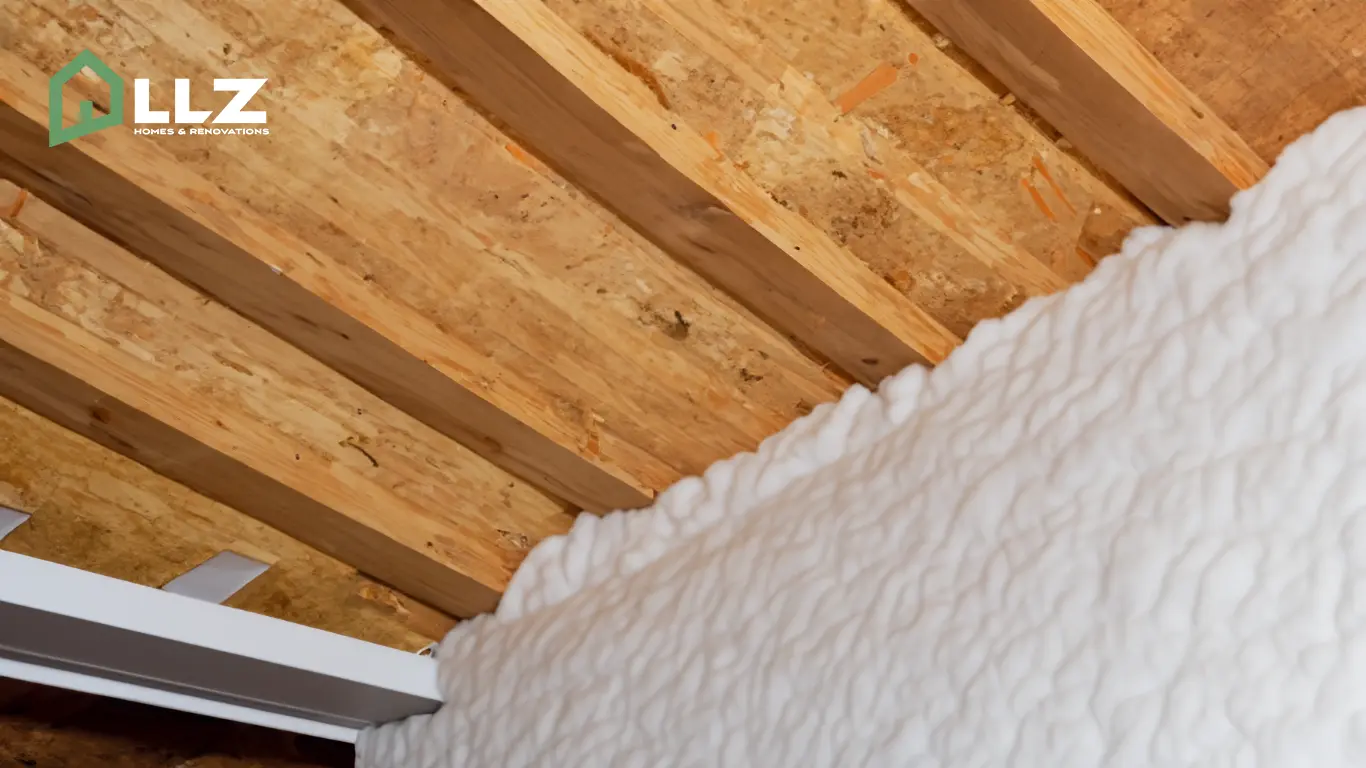
Spray Foam Insulation
Known for its excellent sealing properties, spray foam insulation is ideal for hard-to-reach areas and gaps.
Cellulose Insulation
Made from recycled paper, this eco-friendly option provides a high level of insulation.
Rigid Foam Board
Often used in walls and foundations, rigid foam boards provide good insulation with a thin profile.
Radiant Barrier Insulation
This type is typically used in attics to reflect heat and reduce cooling costs.
Each type has different advantages, so it’s essential to understand your specific needs to make an informed choice.
4. Where to Install Insulation in Your Home
For maximum efficiency, it’s essential to insulate the following areas:
Attic
Heat rises, and without proper insulation, your attic can become a major source of heat loss.
Walls
Wall insulation helps keep temperatures even and prevents heat from escaping or entering your home.
Floors and Crawl Spaces
Insulating the floors reduces cold drafts and keeps floors warmer in the winter.
Basements and Foundations
Insulating these areas can help prevent moisture buildup and keep your home comfortable and dry.
A well-insulated home has coverage in all these areas, reducing heat loss and drafts, especially during extreme weather.
5. How Insulation Helps Save on Energy Costs
According to studies, a properly insulated home can save up to 15% on heating and cooling costs annually. This means the investment in insulation will pay for itself over time. Additionally, homes with effective insulation tend to be more appealing to buyers, adding potential resale value.
Lower Heating and Cooling Needs
By maintaining the indoor temperature, your heating and cooling systems won’t have to work as hard.
Seasonal Savings
Insulation reduces energy needs in both winter and summer, saving you money year-round.
6. Signs Your Home Needs Better Insulation
If your home is drafty, struggles to maintain a consistent temperature, or has high energy bills, it may be under-insulated. Here are some common indicators:
Cold or Warm Spots:
Uneven temperatures from room to room can signal insulation gaps.
High Energy Bills
If your energy costs are rising, poor insulation could be to blame.
Drafts Near Windows or Doors
Insufficient insulation around these areas often causes drafts.
Ice Dams on Roof
In winter, ice dams can form on roofs when heat escapes, melting snow and causing ice to refreeze at the roof’s edge.
7. Choosing the Right Insulation for Your Home
When selecting insulation, consider factors like R-value (a measure of insulation effectiveness), climate, and budget. Consult with a professional insulation installer to understand what type of insulation will work best for your home. They can assess areas of heat loss and recommend the right materials to enhance your home’s energy efficiency.
8. DIY vs. Professional Insulation Installation
Some insulation types, like fiberglass batts, can be installed by experienced DIYers, while others, like spray foam, require specialized equipment. Hiring a professional for larger or complex projects can ensure proper installation, preventing issues like moisture buildup or air leaks.
9. Maintaining Your Insulation
Once your home is well insulated, regular checks can help maintain its effectiveness. Inspect your attic, walls, and basement every few years to ensure there’s no moisture damage, mold, or air leaks.
Final Thoughts on Home Insulation Improvements
Home insulation is an investment that pays off in comfort, energy savings, and a reduced carbon footprint. Whether you’re building a new home or updating an older one, proper insulation is essential for a comfortable, energy-efficient living space. When your home is well-insulated, you’ll notice lower energy bills, a quieter environment, and a more consistent temperature year-round.
Table of Contents
continue reading